Dallas may be known for barbecue and steakhouses, but those are only part of the city’s food story. Look a little closer, especially in neighborhoods with deep Mexican American roots, and you’ll find generations of dishes, cooking traditions, family businesses, and community stories that have helped shape Dallas food culture.
Mexican and Tejano communities have influenced what Dallas eats for generations. From tortillas and tamales to enchiladas, tacos, chile-based sauces, and Tex-Mex favorites, their influence reaches far beyond a single type of restaurant. Understanding Tejano heritage Dallas also gives you a better sense of how food, migration, neighborhood life, and family traditions became connected.
If you want to understand Mexican food Dallas beyond what’s on the menu, it helps to explore the Dallas food history behind it.
Mexican and Tejano roots run deep in Texas
Tex-Mex did not appear overnight or come from one restaurant. Its story grew from centuries of cultural exchange between Mexico and what is now Texas.
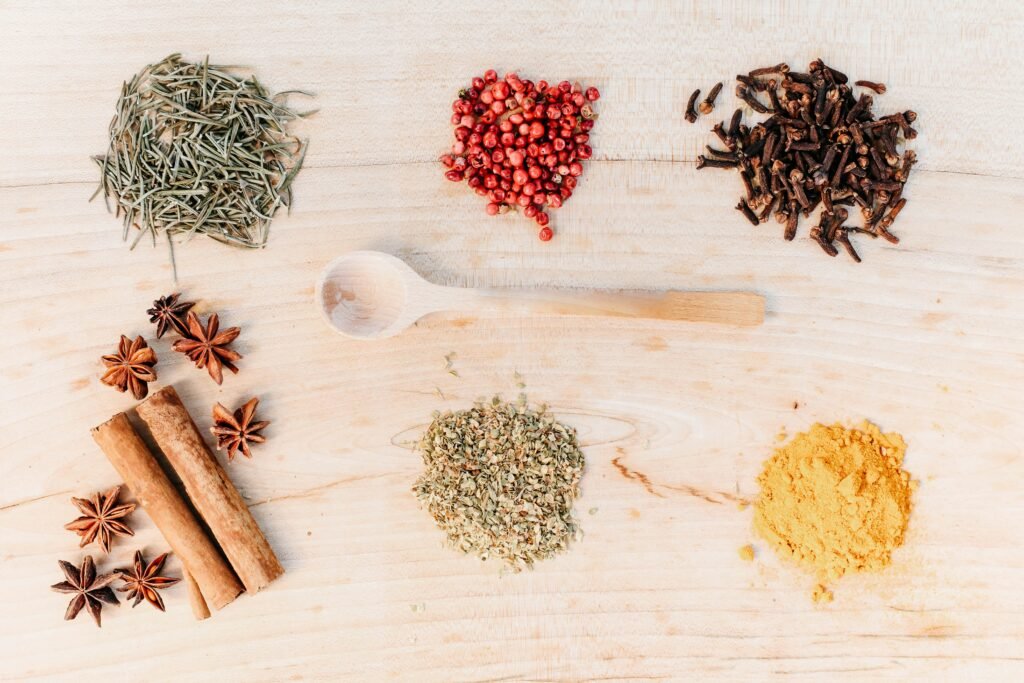
Mexican ranchers, farmers, and families brought ingredients such as corn, beans, and chiles into everyday cooking. As Mexican and Anglo-American communities interacted during the 19th century, ingredients including beef and wheat also became increasingly important. Over time, cooks adapted recipes based on what was available locally.
This helps explain why Tex-Mex should not simply be treated as Mexican food with American ingredients added to it. It developed through the experiences of people living in Texas, particularly Tejano and Mexican American communities.
Tejanos, Texans of Mexican descent, carried food traditions through major political, social, and geographic changes. Families continued cooking, sharing recipes, and adapting them to their surroundings. That history eventually became part of Dallas food culture as Mexican American communities grew throughout North Texas.
How Tejano cooking helped shape what Dallas eats
To understand Tejano heritage Dallas, it helps to look at the everyday ingredients that have remained important across generations.
Corn, beans, chiles, tomatoes, onions, and herbs have long been central to Mexican cooking. Traditional techniques matter just as much. Nixtamalization, for example, prepares corn for masa, which is used to make foods such as tortillas and tamales. Tools such as the molcajete are traditionally used to grind spices, chiles, and ingredients for salsa.
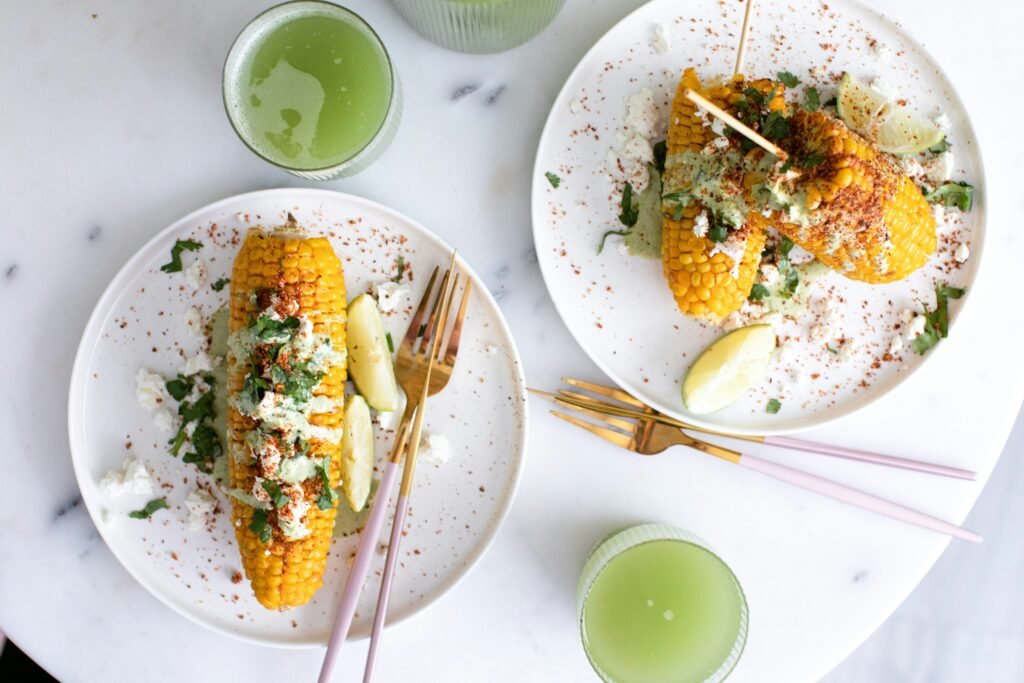
As these traditions met Texas ranching and locally available ingredients, the food continued to change. Beef became especially prominent, while wheat supported the popularity of flour tortillas in parts of Texas. Cheese, cumin, and other ingredients became associated with dishes that many diners now recognize as Tex-Mex.
You can still see that cultural exchange across Mexican food Dallas today. A plate of enchiladas, a basket of flour tortillas, or a serving of beans may seem familiar, but each reflects a much longer story of adaptation.
Dallas neighborhoods helped preserve the culture
Food history makes more sense when you connect it to neighborhoods and the people who lived there.
One important chapter of Dallas food history is the city’s Little Mexico community. During the early 20th century, the neighborhood became home to many Mexican and Mexican American residents. Families built businesses, formed community organizations, and maintained cultural traditions while navigating life in a growing city.
Oak Cliff also became closely connected with Dallas’ Mexican American and Tejano communities. Today, its restaurants, bakeries, markets, murals, and neighborhood businesses continue to give you opportunities to explore those cultural connections.
This is why learning about Tejano heritage Dallas is about more than identifying particular dishes. Food is connected to the neighborhoods where families settled, businesses opened, and recipes moved from one generation to another.
Family kitchens played an important role
Restaurants are part of the story, but plenty of culinary history starts at home.
Family recipes can preserve techniques and traditions for generations. Tamales made for holidays, enchiladas prepared for family dinners, homemade salsa, and tortillas cooked for everyday meals all create connections between food and family identity.
In Tex-Mex culture, cooking and gathering around food often reinforce those community connections. Recipes can be associated with birthdays, holidays, Sunday dinners, and other occasions that bring people together.
Those traditions have also influenced Dallas food culture outside the home. Family-run restaurants can turn household recipes and cooking knowledge into businesses, giving a wider community the chance to experience foods connected to Mexican American life in Texas.
Tex-Mex became its own Texas tradition
Mexican cuisine and Tex-Mex are closely connected, but they are not interchangeable.
Mexican cuisine varies significantly by region, with different chiles, cheeses, sauces, proteins, and preparation methods found throughout the country. Tex-Mex developed in Texas through cultural exchange and adaptation.
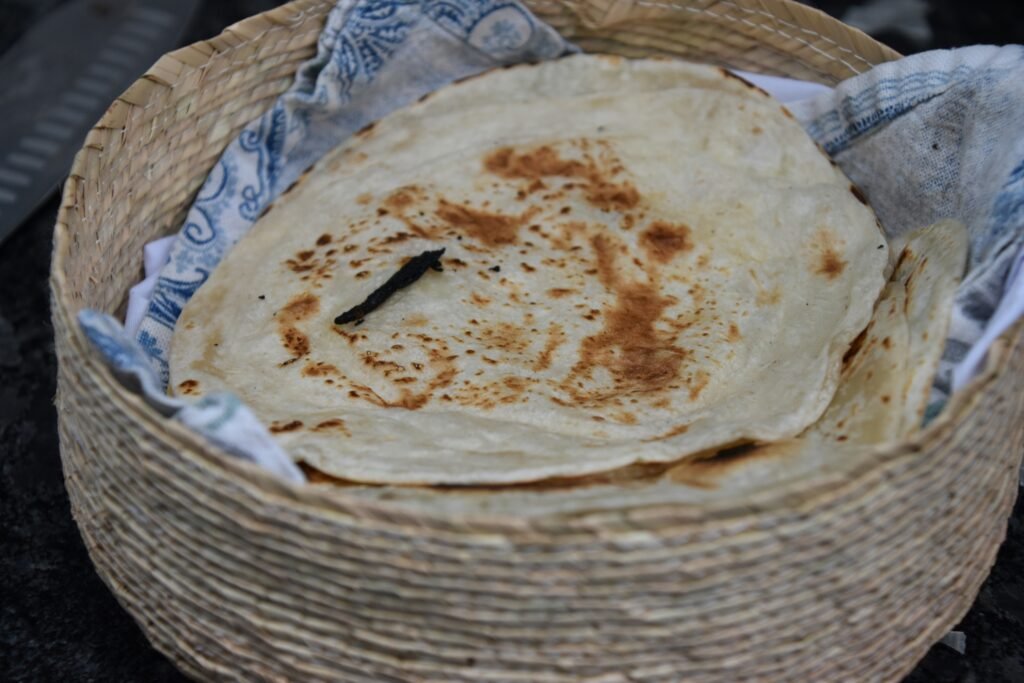
Classic Tex-Mex dishes often feature ingredients such as beef, flour tortillas, beans, cheese, cumin, and chile-based sauces. Enchiladas, fajitas, chile con queso, tacos, and combination plates have become familiar parts of restaurant dining across Texas.
Migration played an important role in this development. Mexican immigrants brought ingredients, techniques, and recipes with them, then adapted some dishes using ingredients available in Texas and the United States.
That evolution is an important part of Dallas food history. It shows how a cuisine can maintain cultural roots while continuing to respond to new places and generations.
Mexican food in Dallas keeps evolving
The story is still being written.
Today, Mexican food Dallas can mean many different things. You might find traditional Mexican dishes, familiar Tex-Mex plates, street-style tacos, regional specialties, modern interpretations, or recipes that combine several culinary influences.
That variety reflects the diversity of Mexican cooking itself, as well as the different communities that call Dallas home. It also shows why there is no single plate that can represent the city’s entire Mexican American food story.
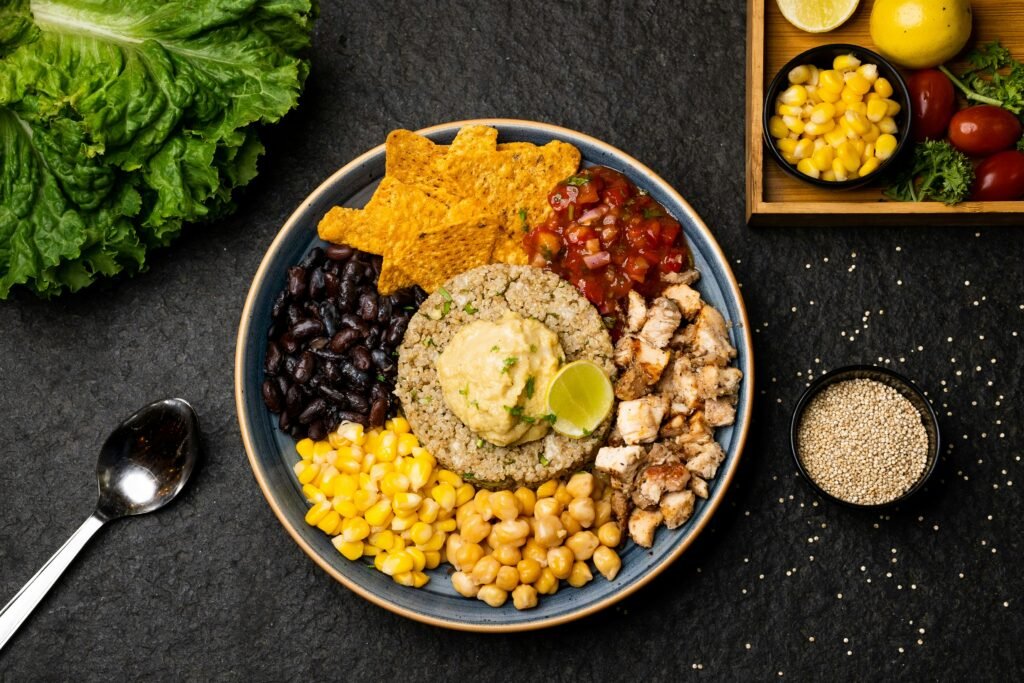
Modern Tex-Mex restaurants continue to experiment with ingredients and preparation styles while familiar dishes remain popular. The result is a food scene where old and new can exist side by side.
For diners, that makes exploring Dallas food culture much more interesting. You can enjoy something familiar while also learning where a recipe came from, who brought it to the city, or why it became important to a particular neighborhood.
Food offers a different way to learn Dallas history
You could learn about Dallas through museums, architecture, and historic sites. You can also learn quite a bit by sitting down for a meal.
Restaurants and neighborhood food businesses can reveal stories about migration, family, entrepreneurship, and cultural exchange. A recipe passed through several generations tells you something about the people who preserved it. A long-running neighborhood restaurant can show how a community changed around it.
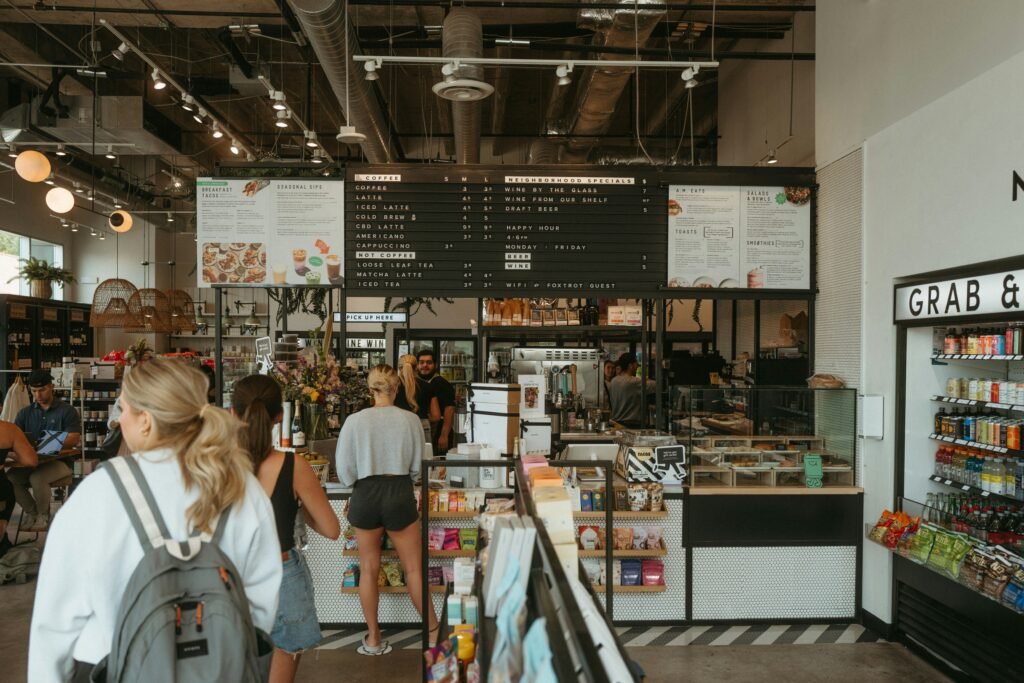
That connection between food and place is one reason Dallas food history is worth exploring beyond downtown landmarks.
It also encourages you to pay attention to overlooked neighborhoods and locally owned businesses. When you know some of the history behind the meal, tacos, tamales, enchiladas, and other familiar foods become part of a larger Dallas story.
Experience Tejano heritage through Dallas food
Learning about Tejano heritage Dallas gives you a richer way to experience the city. Instead of treating food as a quick stop between attractions, you can use it as a starting point for understanding neighborhoods, families, and the cultures that helped build Dallas.
That’s the idea behind Incloodie Food Tour. Incloodie focuses on discovering Dallas through its flavors, with local history, storytelling, overlooked neighborhoods, and locally owned restaurants woven into the experience. The tours are also designed with inclusion in mind, including options for gluten-free and vegetarian guests.
On the Tejano Trails Tour, you can explore historic Oak Cliff, enjoy several tastings, and hear stories about how Tejano culture helped shape the city. It is a chance to experience Mexican food Dallas while understanding more about the people and history behind what you’re eating.
Taste a part of Dallas history
The story of Mexican and Tejano food in Dallas is ultimately a story about people. Families carried recipes forward. Communities adapted traditions to new surroundings. Restaurants introduced those foods to new generations of diners.
Together, those influences helped create the Dallas food culture you experience today.
So, the next time you sit down to tacos, tamales, enchiladas, or a Tex-Mex plate, take a moment to think about the history behind it. Better yet, explore the neighborhoods where those stories continue.
If you’re ready to discover Dallas through food, join Incloodie’s Tejano Trails Tour and let a local guide handle the planning. Show up hungry, explore Oak Cliff, and discover the history and community behind some of the city’s most meaningful flavors.