Exploring a new city through food is one of the best parts of traveling. You get to try local dishes, visit neighborhood restaurants, and learn about the people behind the food. But when you need to avoid gluten, planning those experiences can take a little more effort.
If you’re looking into gluten-free food tours Dallas visitors can enjoy, it’s important to understand how dietary accommodations work before booking. Not every restaurant prepares food the same way, and a dish labeled gluten-free isn’t always suitable for someone with celiac disease.
Fortunately, researching gluten-free Dallas dining options can help you prepare. Whether you’re traveling with family, joining a group, or comparing inclusive food tours, knowing how to communicate dietary restrictions Dallas restaurants need to consider can make your visit easier.
Can You Enjoy a Dallas Food Tour While Eating Gluten-Free?
Yes, enjoying a food-focused trip while avoiding gluten is possible, but the options available will depend on the restaurants and the type of tour you choose.
Dallas has a varied dining scene, including barbecue restaurants, Tex-Mex establishments, neighborhood cafés, and other locally owned businesses. Some dishes may naturally contain no gluten ingredients, while others require substitutions or different preparation methods.
However, food tours often involve several restaurants with different menus and kitchen practices. A tour provider may be able to discuss dietary requests in advance, but that doesn’t mean every participating restaurant can accommodate every restriction.
When comparing gluten-free food tours Dallas travelers are considering, ask which dietary requests can be accommodated and whether the arrangements need to be made before the tour date.
Understanding Gluten-Free Options and Cross-Contact
One of the most important things to understand about gluten-free dining is the difference between a dish made without gluten ingredients and one prepared with precautions to prevent gluten cross-contact.
Gluten is a protein found in wheat, barley, and rye. People with celiac disease must avoid gluten because consuming it can trigger an immune response that damages the small intestine. Even small amounts from cross-contact can be a concern.
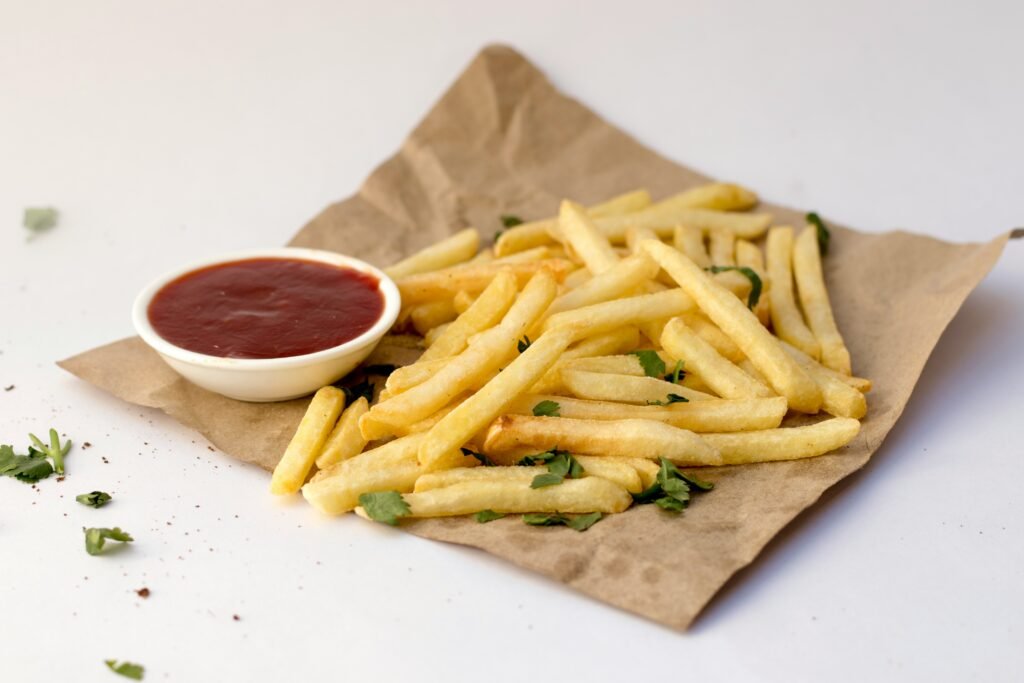
For example, French fries may be made from potatoes, but they can come into contact with gluten if they’re cooked in the same fryer as breaded chicken or other wheat-containing foods.
A traveler writing about a gluten-free Dallas dining experience described asking restaurant staff about dedicated fryers and preparation methods before ordering. That example shows why it’s helpful to look beyond menu descriptions when deciding what to eat.
For people with celiac disease, inclusive food tours should involve clear communication about ingredients and preparation practices. A restaurant describing its menu as “gluten-friendly” doesn’t necessarily mean its food is safe for someone who requires strict gluten avoidance.
Questions to Ask Before Booking a Gluten-Free Food Tour
Before reserving a food tour, contact the provider and explain your dietary requirements. This gives you an opportunity to find out whether the experience is suitable before making plans.
Some useful questions include:
Can the tour accommodate guests who need gluten-free meals?
Which participating restaurants can provide ingredient information?
Are gluten-free dishes prepared using separate utensils or cooking equipment?
Do any restaurants use shared fryers or preparation surfaces?
Are substitutions available at every stop or only certain locations?
What happens if a restaurant cannot provide a suitable tasting?
These questions are particularly important when researching gluten-free food tours Dallas providers offer, since dietary accommodations may vary between restaurants and tour dates.
If you’re traveling with someone who has other food allergies or intolerances, mention those requirements as well. Communicating dietary restrictions Dallas tour organizers should know about in advance helps everyone understand what arrangements may be possible.
Gluten-Free Foods You Might Find in Dallas
Dallas offers plenty of dishes worth exploring, although you’ll still need to confirm ingredients and preparation methods before ordering.
Texas barbecue is one possibility. Smoked meats such as brisket may be prepared without gluten-containing ingredients, but seasoning blends, sauces, and shared equipment can introduce gluten.
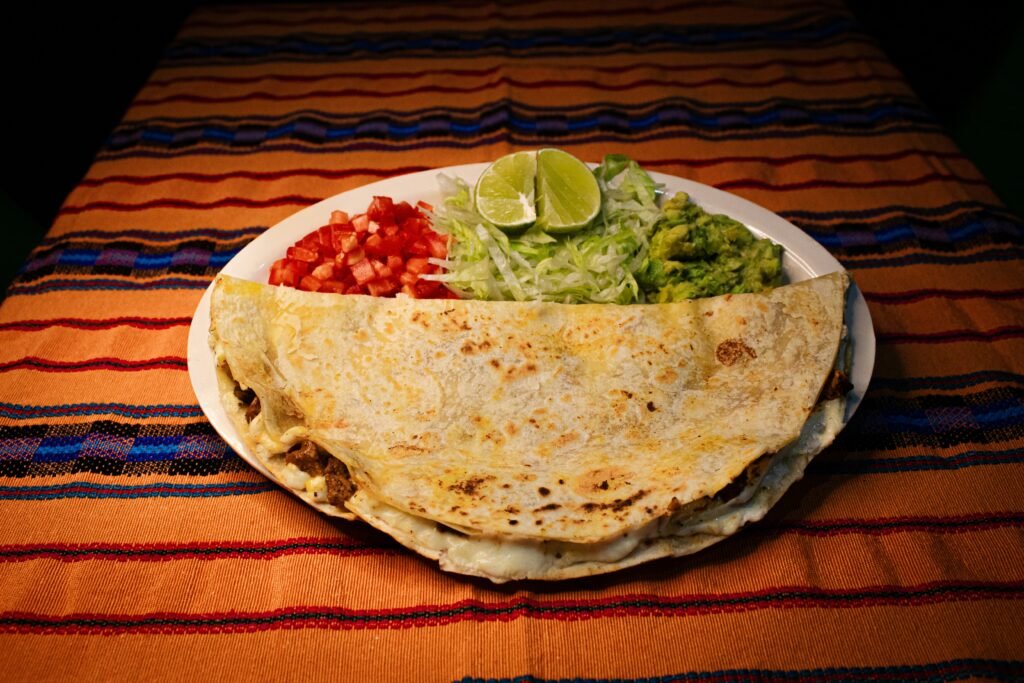
Tex-Mex restaurants may also offer suitable options. Corn tortillas, rice, beans, and grilled meats can be part of a gluten-free meal, depending on their ingredients and preparation. Some corn tortillas contain added wheat, while sauces and marinades may use ingredients that aren’t immediately obvious.
Salads, grilled vegetables, and rice bowls are other options worth asking about. However, dressings, toppings, and cooking surfaces still need to be considered.
When exploring gluten-free Dallas restaurants, avoid assuming that a particular cuisine is automatically safe. Asking questions about the actual dish is more useful than relying on general descriptions.
How to Research Gluten-Free Restaurants Before Your Trip
A little research can make dining in Dallas more manageable, especially if you have celiac disease or another condition that requires strict gluten avoidance.
Start by looking at restaurant menus and checking whether they identify gluten-free options. You can also read reviews from diners with similar dietary requirements to learn about their experiences.
Apps such as Find Me Gluten Free can help you research restaurants and look for information about dedicated gluten-free facilities or fryers. Still, reviews and listings may become outdated, so contacting restaurants directly is a good idea.
A travel account published in 2021 mentioned Dallas establishments such as On Rotation and The Company Café & Bar for their gluten-free offerings at that time. Those experiences can be useful examples of what travelers look for, but they shouldn’t be treated as confirmation of current menus or kitchen practices.
When planning a gluten-free Dallas visit, verify details shortly before your trip. Restaurants can change their ingredients, equipment, and procedures, even when a particular dish remains on the menu.
Traveling With Friends Who Have Different Dietary Needs
Planning a food outing becomes more complicated when everyone in your group has different preferences or restrictions.
You might be avoiding gluten while another traveler is vegetarian, dairy-free, or managing a food allergy. Finding restaurants that work for everyone may require additional planning, particularly when you’re visiting several locations in one day.
This is where inclusive food tours can be appealing. A guided experience provides a planned route and opportunities to learn about the city’s food culture together. However, the tour’s structure doesn’t automatically guarantee that every guest will have a suitable tasting at every stop.
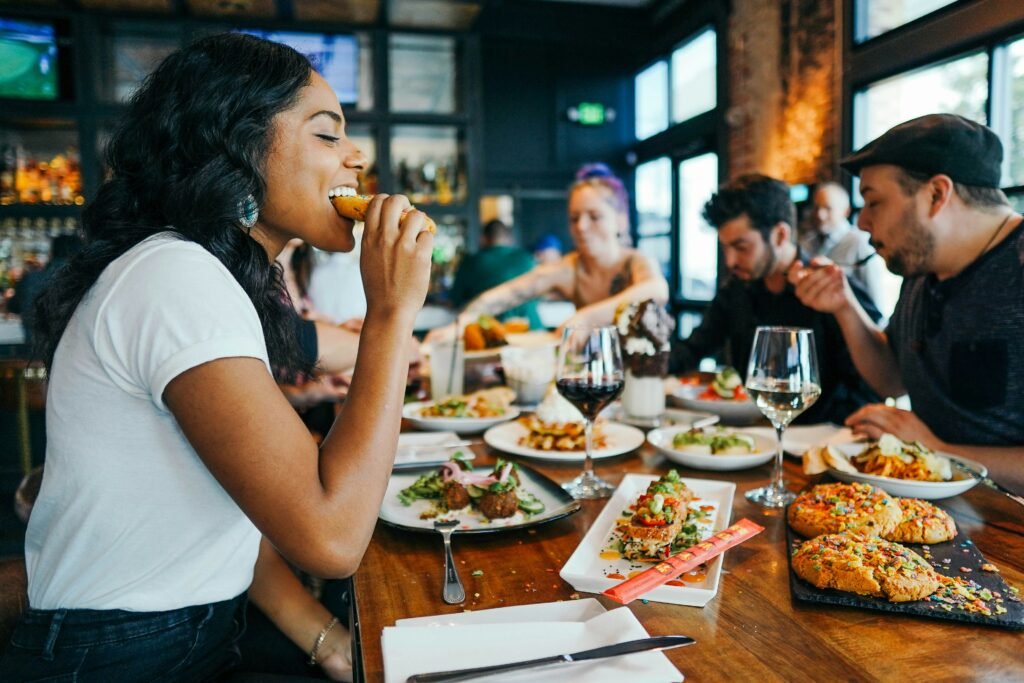
If your group has multiple dietary requirements, collect that information before contacting the tour provider. Be clear about which restrictions are medical necessities and which are personal preferences.
Discussing dietary restrictions Dallas restaurants may need to accommodate ahead of time helps avoid confusion and gives your group a better understanding of what to expect.
Tips for a More Comfortable Gluten-Free Food Experience
Even after researching restaurants and discussing your needs, a few practical steps can help you feel more prepared.
If you have celiac disease, explain that you need to avoid gluten cross-contact, not simply wheat-based dishes. Ask whether restaurant staff can confirm ingredients and preparation methods rather than assuming a menu label provides all the information you need.
It’s also helpful to carry a gluten-free snack in case a suitable meal isn’t available. If you’re traveling with a group, let them know that you may need additional time to ask questions before ordering.
You can prepare a short explanation of your dietary requirements to share with restaurant staff. This may be particularly useful when visiting busy establishments where servers are handling several tables.
Most importantly, don’t feel pressured to eat something if you cannot confirm that it meets your needs. Gluten-free food tours Dallas travelers choose should be evaluated based on the actual accommodations available, not simply whether gluten-free dining is mentioned in promotional materials.
Plan an Inclusive Dallas Food Tour With Incloodie
Dallas has a food culture shaped by local restaurants, family recipes, and different culinary traditions. Exploring that culture can be a rewarding part of your trip, even when you need to be more careful about what you eat.
The key is planning ahead, asking specific questions, and understanding that dietary accommodations vary between restaurants. Whether you’re avoiding gluten or traveling with people who have different food preferences, clear communication helps you make informed choices.
Incloodie Food Tour introduces guests to locally owned restaurants, neighborhood history, and the stories behind Dallas food. If you have dietary requirements, contact Incloodie before booking to discuss your needs and ask what accommodations may be available for your chosen experience.
Plan an inclusive Dallas food tour with Incloodie and discover more of the city’s food, neighborhoods, and local stories together.