Dallas has a food scene shaped by generations of families, restaurant owners, and communities that have brought their cooking traditions to the city. While barbecue often gets plenty of attention, Mexican and Tejano influences have played an equally important role in what locals eat today.
From cheese enchiladas covered in chili gravy to handmade tamales and warm tortillas, Dallas Mexican food reflects a history that goes beyond what’s on the plate. Many of these dishes are connected to family businesses, neighborhood traditions, and the development of Tex-Mex cooking in North Texas.
If you’re interested in exploring Tejano food Dallas traditions, understanding the city’s restaurant history is a good place to start. This guide looks at how Mexican and Tejano communities helped shape Dallas food culture, what dishes to try, and how visiting Mexican restaurants Dallas neighborhoods are known for can introduce you to another side of the city.
How Mexican and Tejano Communities Shaped Dallas Food
Mexican food has been part of Dallas for more than a century, particularly in neighborhoods where Mexican American families established homes and businesses.
One important area was Little Mexico, a community near what is now Uptown and Victory Park. During the early 20th century, Mexican immigrants and their families opened restaurants and other businesses that helped introduce traditional dishes to a wider Dallas audience.
Tejano culture also contributed to the development of local food traditions. Tejanos are Texans of Mexican heritage, and their cooking reflects generations of Mexican and Texas influences. Over time, these traditions helped shape the cuisine now widely known as Tex-Mex.
Dallas food culture developed through this exchange of ingredients, recipes, and cooking methods. Dishes such as enchiladas, tamales, tacos, and beans became familiar parts of local dining, while restaurants adapted their menus to changing customer preferences.
The Early Restaurants That Helped Define Dallas Tex-Mex
One of the most important names in Dallas restaurant history is Miguel “Mike” Martinez, who opened El Fenix in 1918 in the Little Mexico neighborhood.
According to D Magazine’s historical account of Tex-Mex in Dallas, Martinez initially served American-style meals before introducing dishes such as tacos, tamales, beans, and enchiladas. As the restaurant developed, its menu began reflecting the combination of Mexican cooking traditions and local Texas preferences.
El Fenix became one of the businesses associated with the growth of Tex-Mex in Dallas, but it wasn’t the only family restaurant that influenced the city’s dining scene.
The Cuellar family also played a major role through El Chico, which opened its first Dallas location in 1940. The family’s restaurant business grew over the following decades, helping introduce Tex-Mex dishes to customers across Texas and beyond.
These businesses helped establish a tradition of family-run Mexican restaurants Dallas diners have supported for generations. They also created opportunities for employees and relatives who later opened their own restaurants.
What Makes Tejano and Tex-Mex Food Different?
When exploring Tejano food Dallas history, it’s helpful to understand the relationship between Mexican cooking, Tejano traditions, and Tex-Mex.
Mexican cuisine includes a wide range of regional dishes, ingredients, and cooking methods. Tejano food developed through the experiences of Mexican communities in Texas, incorporating local ingredients and adapting recipes over generations.
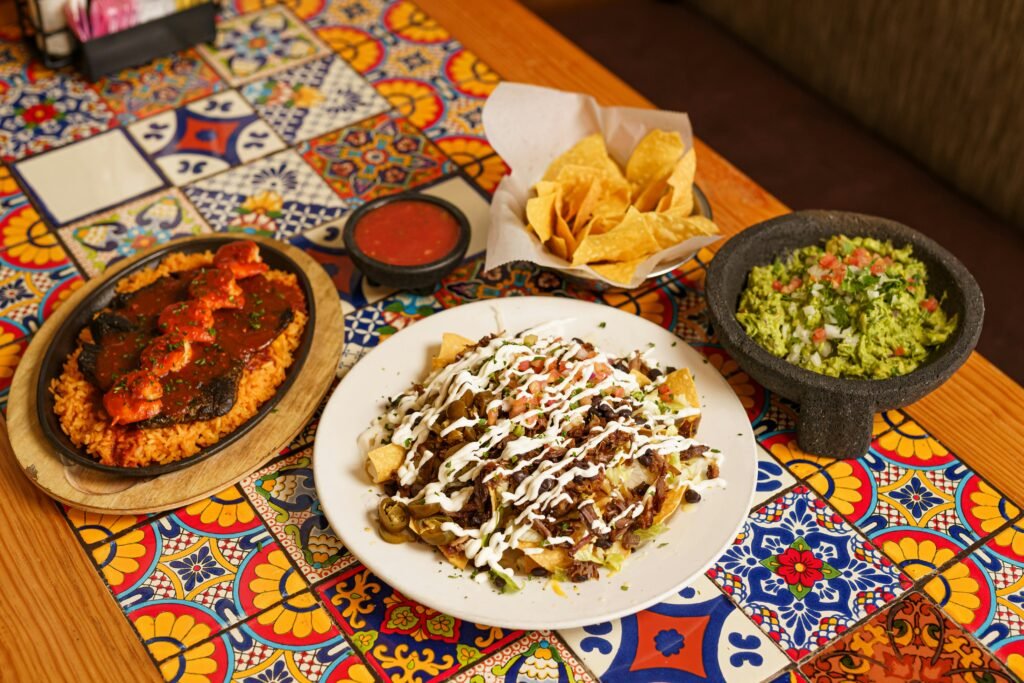
Tex-Mex is closely connected to those traditions but has developed recognizable characteristics of its own. Cheese enchiladas topped with chili gravy, combination plates with rice and beans, and queso served with tortilla chips are familiar examples.
That doesn’t mean every Mexican American family cooks the same way or that all Mexican restaurants serve Tex-Mex. Dallas Mexican food includes traditional Mexican dishes, regional specialties, and restaurant styles that reflect different communities.
Understanding these differences gives you a better appreciation of Dallas food culture and the people who helped shape it.
Mexican and Tejano Dishes Worth Trying in Dallas
If you’re visiting Dallas for the first time, there are several dishes that can help you explore the city’s Mexican and Tejano influences.
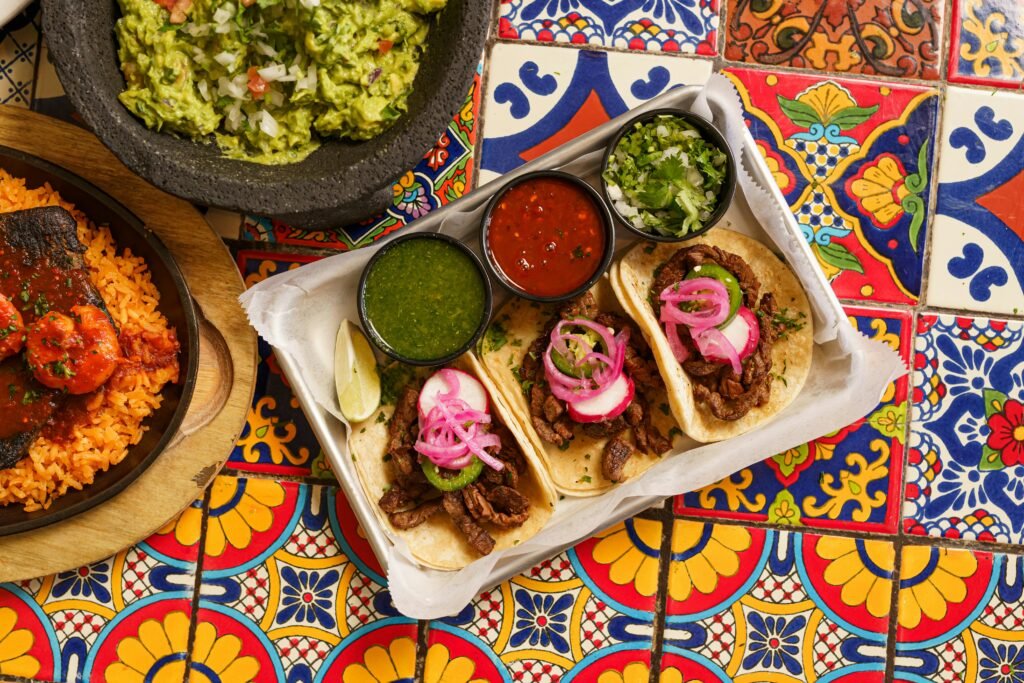
Cheese enchiladas with chili gravy are among the most recognizable Tex-Mex dishes. Corn tortillas are filled with cheese, rolled, and covered with a seasoned chili-based sauce. They’re often served with Mexican rice and refried beans.
Tamales are another important part of Mexican and Tejano cooking traditions. Made with masa and fillings such as pork, chicken, or vegetables, they’re wrapped in corn husks and steamed. Recipes vary between families and regions, and tamales are often associated with holiday gatherings.
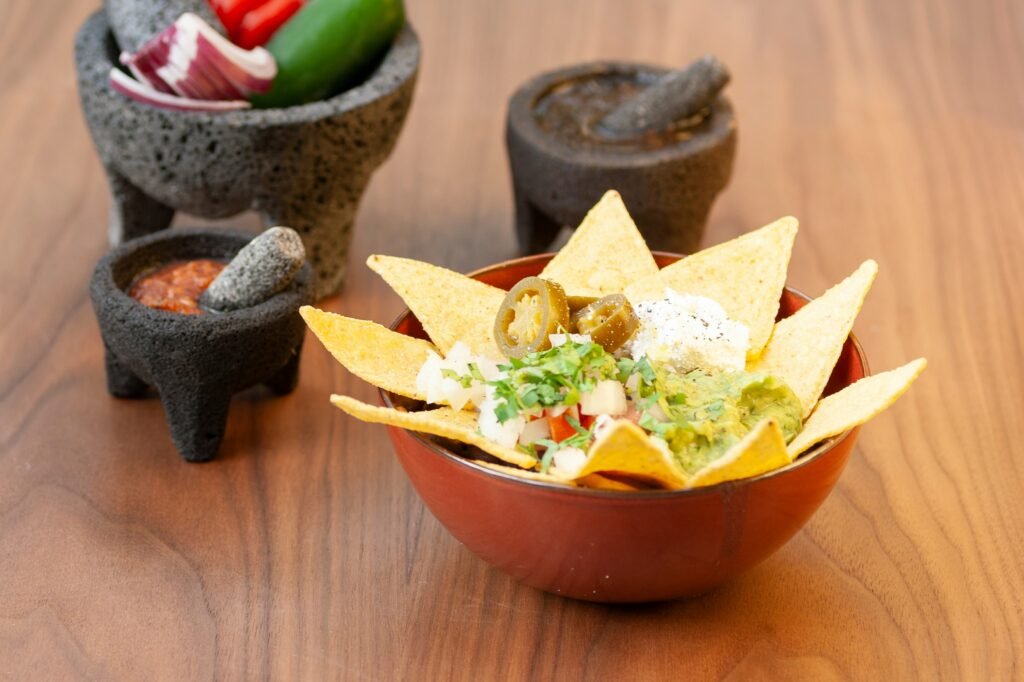
Tacos offer plenty of variety, from soft corn tortillas filled with meat and onions to crispy Tex-Mex versions topped with lettuce, cheese, and tomatoes. Trying different styles is a good way to see how Mexican and Texas influences appear on local menus.
Chile con queso is another familiar part of Dallas dining. This warm cheese dip is commonly served with tortilla chips and often includes peppers or other seasonings.
These dishes are a useful starting point if you’re curious about Tejano food Dallas restaurants serve, although menus and preparation styles will differ from place to place.
How Family-Owned Restaurants Built Dallas Food Culture
One of the most interesting parts of Dallas restaurant history is how many businesses grew through family connections.
The Cuellar family’s El Chico restaurants, for example, influenced a generation of restaurant workers and entrepreneurs. Several people who worked within that business later became involved in other well-known Tex-Mex establishments.
Mia’s Tex-Mex, opened by Ana and Butch Enriquez in 1980, is another example of a family business connected to the city’s restaurant history. Their son, Mico Rodriguez, later helped establish Mi Cocina in 1991.
These connections show how restaurant knowledge, recipes, and business experience can move between generations and establishments.
When visiting Mexican restaurants Dallas has become known for, you’re often encountering more than a menu. You’re also seeing the results of family businesses, community relationships, and years of work in the local restaurant industry.
That history is an important part of Dallas Mexican food and helps explain why certain dishes and restaurants have remained meaningful to local diners.
Exploring Dallas Neighborhoods Through Mexican Food
You don’t have to limit yourself to well-known restaurant names when exploring Dallas. Different neighborhoods offer opportunities to learn about the communities that have contributed to the city’s food traditions.
Oak Cliff, for example, has a strong Mexican American cultural presence, with restaurants and businesses that reflect the area’s history. Jefferson Boulevard has long been an important commercial corridor for the neighborhood’s Latino community.
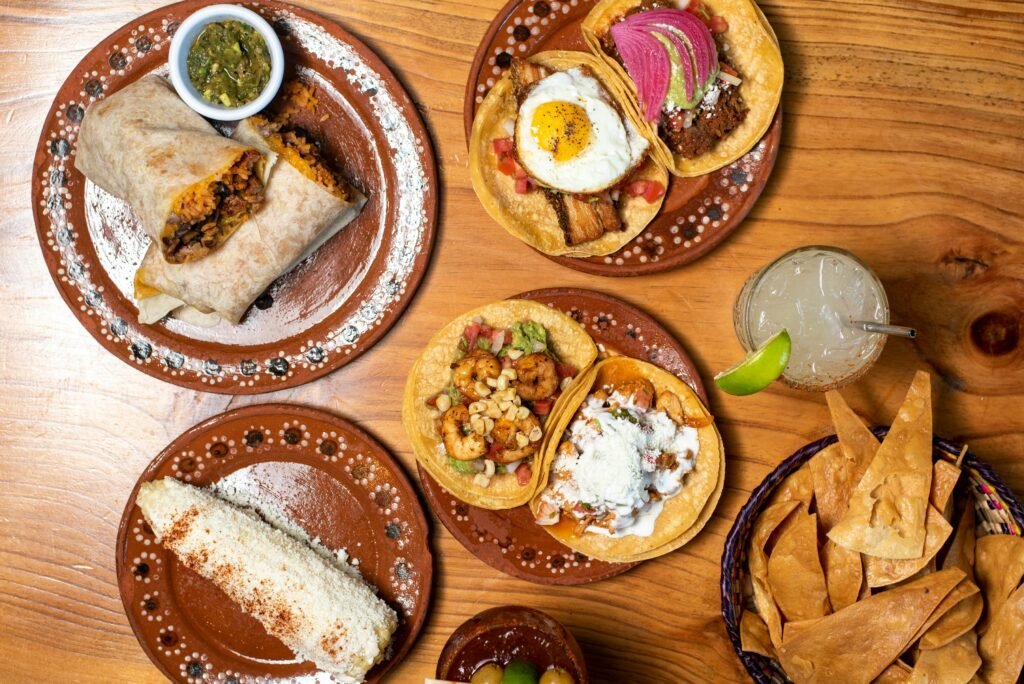
You can also explore restaurants in other parts of Dallas, where traditional Mexican dishes, Tex-Mex favorites, and newer interpretations appear on menus.
When researching Mexican restaurants Dallas neighborhoods offer, consider looking beyond online ratings. Learning about a restaurant’s background, the dishes it specializes in, and its connection to the community can make the experience more interesting.
For travelers interested in Dallas food culture, spending time in different neighborhoods provides a broader perspective than visiting only the most familiar dining destinations.
How to Experience More of Dallas Mexican and Tejano Food
A good way to explore Dallas Mexican food is to try a mix of familiar dishes and foods you haven’t ordered before.
You might start with a traditional Tex-Mex combination plate, then visit another restaurant for tacos or tamales. Pay attention to differences in tortillas, sauces, fillings, and seasonings, since these details can tell you something about a restaurant’s cooking style.
If you’re interested in Tejano food Dallas history, take time to learn about the families and neighborhoods connected to the dishes. Some restaurants have been part of the community for decades, while newer establishments may represent different regional Mexican traditions.
You can also explore the city through a guided food experience. Visiting local restaurants with someone who knows the neighborhood can help connect what you’re eating with the history and culture around you.
Whether you’re visiting for a weekend or exploring your own city, taking a little time to understand the food makes each restaurant stop more meaningful.
Explore Dallas Through Its Flavors With Incloodie
Mexican and Tejano food traditions have helped shape Dallas for generations, from the early restaurants of Little Mexico to the family-owned businesses and neighborhood favorites that followed.
Today, Dallas food culture continues to reflect those influences through the dishes people cook, the restaurants they support, and the stories passed between generations.
If you’d like to discover more of the city’s food history, Incloodie Food Tour offers a way to explore Dallas through locally owned restaurants, neighborhood stories, and cultural connections.
Explore Dallas through its flavors with Incloodie and discover the people, traditions, and communities that make the city’s food scene worth experiencing.